
Why this stack
Next.js handles the frontend with React-based components, static generation, and server-side rendering. DatoCMS handles structured content with a flexible data model, image optimisation, and a clean editorial interface. The combination covers three requirements that come up consistently in premium headless platform builds: performance, editorial independence, and frontend precision.
Neither tool forces decisions on the other. DatoCMS doesn't care how the frontend is built. Next.js doesn't care where the content comes from. That separation is a feature: it means the architecture can be shaped around the actual requirements of the project rather than the constraints of the platform.
How Next.js handles the frontend
Next.js gives you full control over rendering strategy per page. Static generation for fast, cacheable marketing pages. Incremental static regeneration for content that changes frequently without requiring a full rebuild. Server-side rendering where real-time data is required.
That flexibility means the frontend can be engineered to match the actual performance and content requirements of the platform, not forced into a single rendering model because the framework demands it.
Every UI element is a React component, built to spec. No theme constraints, no platform overrides. The gap between what's designed and what ships is close to zero.
The component model matters for brand consistency too. A purpose-built React component library means every element on the site behaves exactly as designed, and stays that way as the site grows, because components are maintained independently rather than being tied to a theme version.
How DatoCMS structures editorial control
The content model is where most headless implementations succeed or fail. A content model built generically (fields added as needed, no clear structure) creates editorial chaos over time. Editors make decisions they shouldn't have to make. Layouts break unexpectedly. The platform that was supposed to give the team independence ends up generating support tickets.
A content model built around how the team actually works is what creates genuine independence. In DatoCMS, this means structured block types with constrained field options, clear separation between content and presentation decisions, and an editorial interface that mirrors the team's workflow rather than a generic CMS pattern.
Editors update content. The frontend handles how it looks. That separation is what protects brand consistency regardless of who is making changes, and it's what makes zero engineering dependency post-launch a realistic outcome rather than a marketing claim.
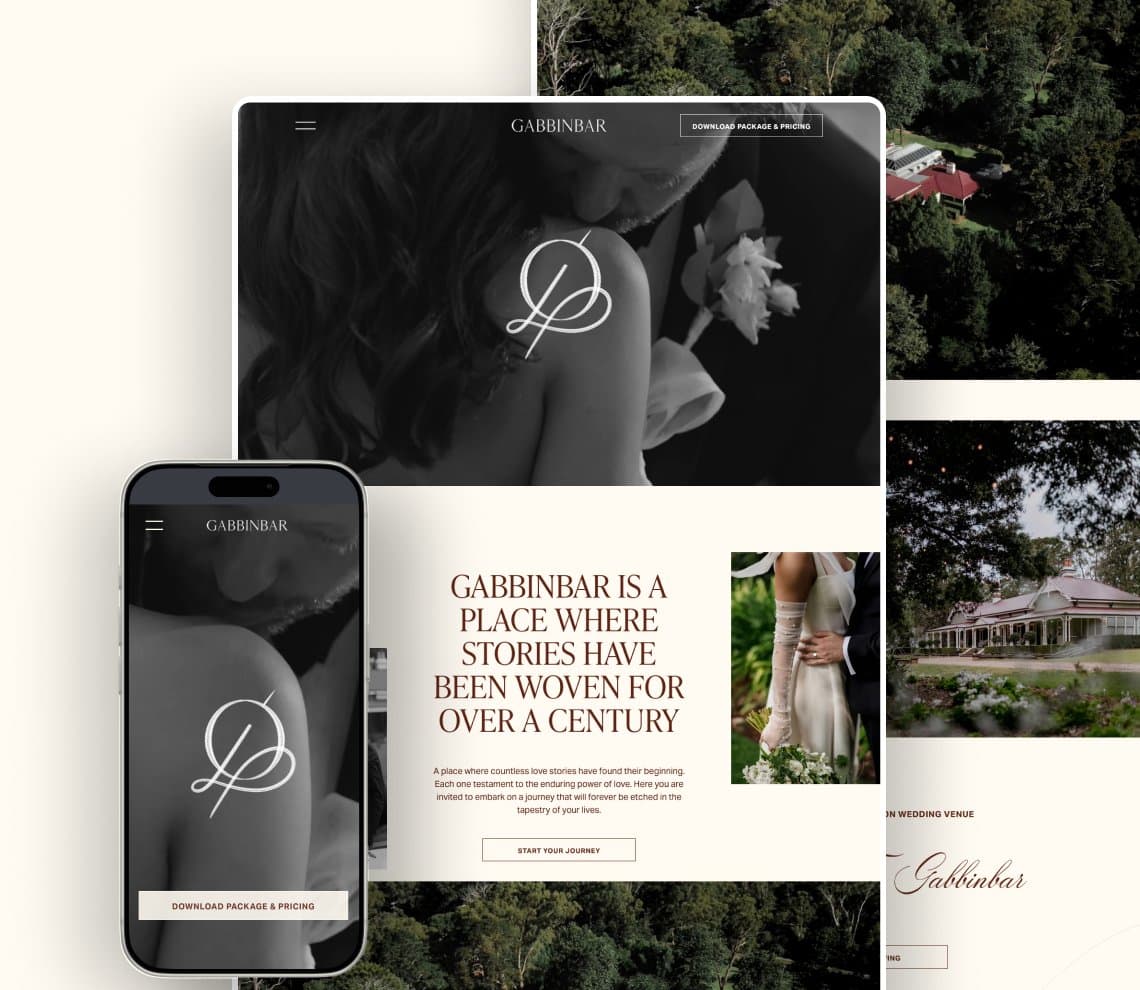 From our workGabbinbar Homestead runs on the Next.js and DatoCMS setup described here.Read the case study
 What the integration looks like in practice
DatoCMS exposes content via GraphQL. Next.js fetches it at build time for static pages, or on request for dynamic content. The result is a platform where content is always up-to-date, pages are pre-rendered for performance, and the frontend stays fully decoupled from CMS concerns.
On the editorial side, DatoCMS provides image optimisation out of the box, serving correctly sized, correctly formatted images without manual intervention. Structured content fields mean editors can't inadvertently break layout by inputting unexpected content. Localisation, versioning, and scheduled publishing are handled at the CMS layer without frontend complexity.
- GraphQL queries are colocated with components, so each component fetches exactly the data it needs
- Type generation from the DatoCMS schema means TypeScript catches content model mismatches at build time, not at runtime
- Webhooks trigger rebuilds automatically when content is published: editors publish, the site updates
A real example: Gabbinbar Homestead
For Gabbinbar Homestead, one of Queensland's premium wedding venues, we built a Next.js frontend with a purpose-built React component library and a DatoCMS content model structured entirely around how the internal team manages the site day-to-day.
Every component was built from scratch, with no off-the-shelf theme, no template adapted to fit. The content model was designed before a single component was coded: constrained block types for venue listings, gallery collections, packages, and seasonal content, each with field options scoped so that editors make content decisions and the frontend handles the rest. Framer Motion animations were layered on top without touching the CMS layer at all, because the architecture keeps those concerns completely separate.
The result: the team updates photography, pricing pages, and seasonal promotions independently, with zero engineering dependency post-launch. The platform was delivered in under two months and Gabbinbar remains an active partner, with the platform absorbing new content needs without any rebuild required.
We build Next.js and DatoCMS platforms for businesses across Australia and internationally, from initial architecture through to editorial handover and ongoing development.